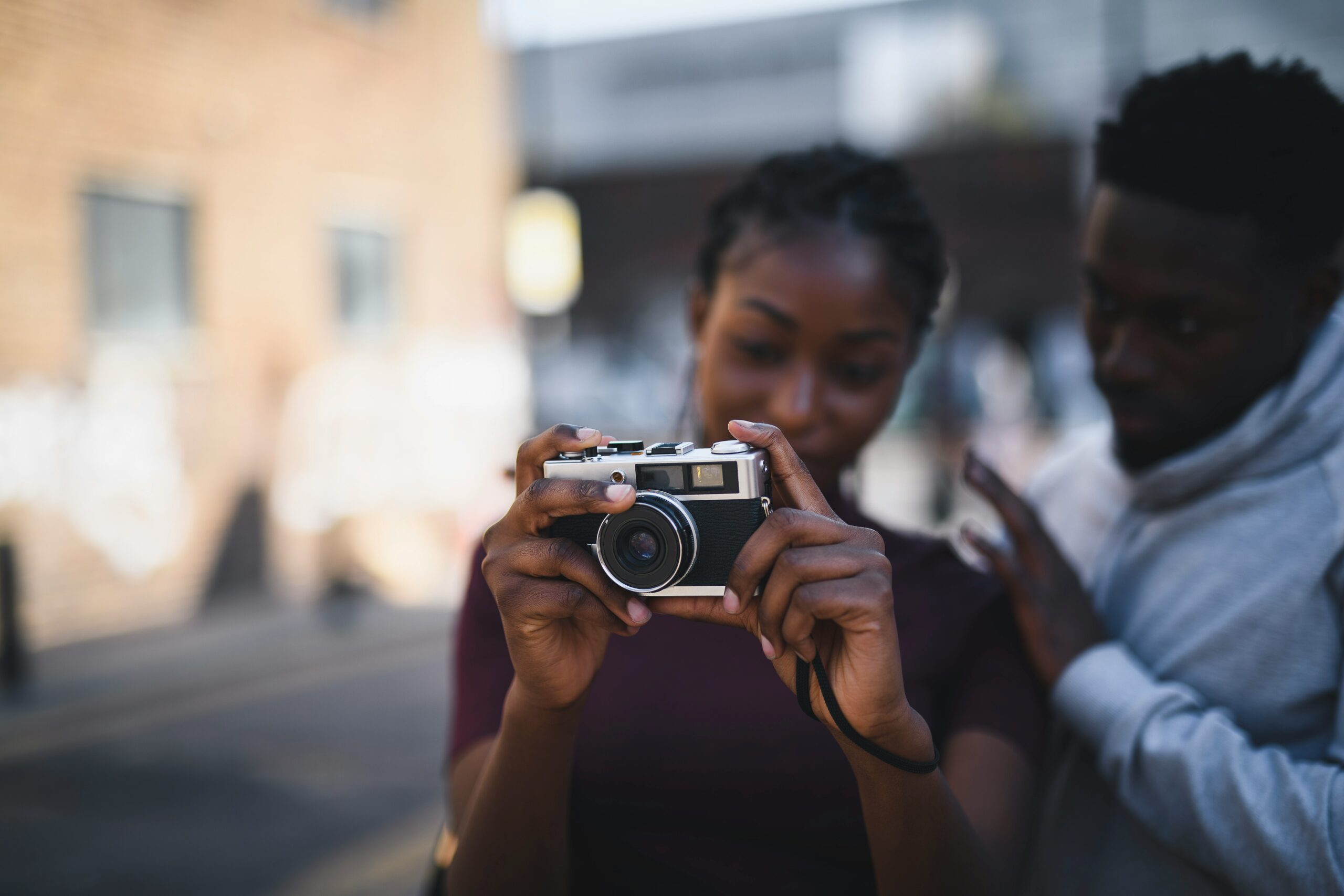
Candid photography captures life as it naturally unfolds. Unlike posed shots, it focuses on genuine moments, emotions, and interactions. From laughter between friends to quiet reflections alone, candid photography shows the beauty in everyday life. It allows photographers and viewers to connect with real stories, making images feel authentic and meaningful.
This style of photography has grown popular because it celebrates imperfection and spontaneity. Instead of forcing people into poses or staged environments, candid photography encourages observing and responding to life as it happens. As a result, every image tells a unique story that might otherwise go unnoticed.
Why Candid Photography Matters
Candid photography matters because it captures authenticity. People often reveal their true selves when they are unaware of the camera. A smile, a glance, or a gesture can communicate more than a posed expression ever could. Because of this, candid photos often feel more emotional and memorable.
Moreover, candid photography celebrates ordinary life. A simple walk in the park, a family meal, or a street scene can become extraordinary when captured naturally. It reminds us that beauty exists in everyday moments, and photography allows us to freeze these experiences for later reflection.
Techniques for Successful Candid Shots
Timing is key in candid photography. Photographers need patience to anticipate moments and react quickly. Often, the best images happen in the blink of an eye, and being ready allows you to capture the emotion without disturbing the scene.
Camera settings also play a role. Using a fast shutter speed prevents motion from blurring the subject, while a wide aperture helps isolate the subject from the background. Additionally, natural light works best for candid shots, keeping the photo feeling genuine and warm rather than artificial.
Observing Without Interfering
Candid photography requires a careful balance between observing and blending into the environment. People act differently when they know someone is watching, so staying unobtrusive is essential. This can be done by using longer lenses or moving quietly to avoid drawing attention.
It is also important to respect the subjects and their space. Capturing private or sensitive moments without consent can feel invasive. By observing discreetly, photographers can maintain trust and still capture genuine emotions that tell compelling stories.
Telling Stories Through Everyday Life
Everyday moments are full of stories, and candid photography helps reveal them. A child playing in the yard, a couple holding hands, or friends sharing a joke can all tell something meaningful about life. These images convey emotion, context, and narrative in a way that posed photos often cannot.
Transitioning from observation to storytelling also encourages creativity. Photographers can explore different angles, perspectives, and compositions to add depth. By paying attention to light, movement, and expressions, candid photography can turn ordinary events into unforgettable memories.
Embracing Imperfections
Imperfections are part of what makes candid photography special. Blurred movements, uneven lighting, or unexpected subjects can enhance the feeling of authenticity. These small flaws remind viewers that life is imperfect and beautiful in its natural state.
Additionally, imperfections give photos personality. They tell the viewer that the moment was real, not staged or manufactured. This honesty makes candid photography emotionally powerful and keeps audiences engaged with the story behind each image.
Using Candid Photography in Daily Life
Candid photography can be practiced anywhere, from home to public spaces. Daily routines, spontaneous outings, or social gatherings offer countless opportunities to capture real moments. Photographers can find inspiration in ordinary life by simply paying attention and staying ready to capture movement, emotion, and interaction.
It is also helpful to carry a camera or use a smartphone consistently. Being prepared allows you to catch unexpected moments that may never happen again. Over time, a collection of candid photos can tell the story of life’s ordinary yet meaningful events.
Connecting Emotionally With the Audience
The effect of candid photography extends beyond the photographer. Viewers often feel connected to the subjects because they recognize shared experiences. A laugh, a gesture, or a glance can evoke memories and emotions that make the photograph resonate.
Furthermore, candid photography encourages empathy. Showing genuine moments of life, it allows viewers to understand others’ humanity. This emotional connection is why candid photos often become favorites in albums, exhibitions, or social media.
Capturing Movement and Change
Life is constantly moving, and candid photography excels at freezing motion naturally. People walk, children run, and pets play, all creating dynamic scenes. Capturing these movements adds life to photographs and reflects reality more accurately than still, posed images.
Change is also an essential part of everyday life. Seasons shift, children grow, and friendships evolve. Candid photography captures these transitions, preserving memories of people and places as they were in a specific moment, creating lasting reminders of life’s impermanence.
Candid photography celebrates authenticity, spontaneity, and everyday beauty. By observing without interfering, embracing imperfections, and focusing on emotion, photographers can capture moments that feel real and meaningful. From family gatherings to street scenes, candid photography turns ordinary life into a visual story worth remembering. It reminds us that the most beautiful moments often happen naturally, without preparation or perfection.