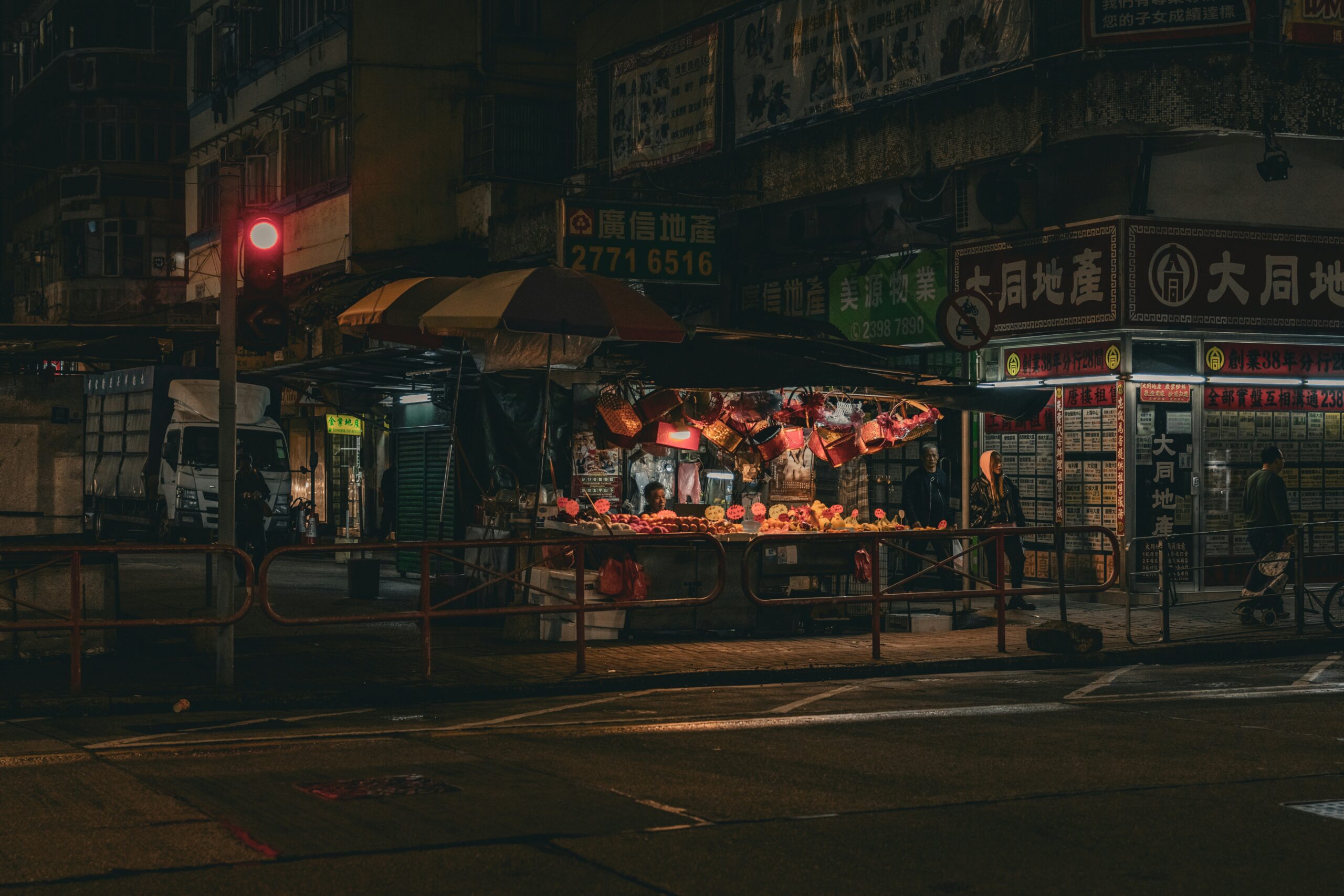
Street photography captures life as it happens, without staging or direction. It focuses on real people, real places, and real moments. Because of that, it feels honest and energetic. Every city becomes a living stage where stories unfold in seconds. With the right eye and timing, even a simple walk through town can turn into a collection of meaningful images.
In this guide, you will learn how to improve your approach to street photography, notice better moments, and build stronger visual stories in urban environments.
Seeing the City with Fresh Eyes
When you walk through a city every day, it is easy to stop noticing details. However, street photography asks you to slow down and observe again. As a result, you start seeing patterns, expressions, and interactions that others miss.
Try focusing on small changes in light, movement, and behavior. For example, a person waiting at a crosswalk or a child running through a plaza can become a strong subject. Meanwhile, buildings, reflections, and shadows often add depth to your frame.
Because urban life moves quickly, you must train your eyes to stay alert. In addition, you should avoid rushing from one shot to another. Instead, stay in one spot for a few minutes and let moments come to you naturally. This approach often leads to better results than constantly moving around.
Understanding Timing in Unscripted Moments
Timing plays a major role in street photography. Since you cannot control your subject, you must learn to anticipate action. Therefore, you should always watch body language and movement patterns.
For instance, people often repeat actions like walking, turning, or interacting with others. Once you notice these patterns, you can prepare your shot before the moment happens. As a result, you increase your chances of capturing something meaningful.
At the same time, patience is essential. Not every moment will be dramatic or exciting. However, if you wait long enough, something interesting usually appears. Because of this, many photographers spend more time waiting than shooting.
Using Light to Shape Urban Stories
Light changes everything in street photography. It affects mood, depth, and focus. Therefore, learning how to use natural and artificial light becomes very important.
Morning and late afternoon light often create soft shadows and warm tones. Meanwhile, midday light produces stronger contrast and sharper edges. At night, streetlights and neon signs add a completely different atmosphere.
In addition, reflections from glass buildings or wet streets can create unique visual effects. These details help you turn simple scenes into striking images. As a result, your photos feel more dynamic and engaging.
Framing Real Life with Purpose
Composition matters even in spontaneous environments. Even though street photography feels unpredictable, you still need structure in your frame.
Try using leading lines such as roads, sidewalks, or walls. These elements guide the viewer’s eye naturally. Also, pay attention to balance. A crowded side of the frame can feel heavy, while a space can create contrast.
Furthermore, do not be afraid of imperfect scenes. Sometimes, clutter and movement make the image more powerful. Because real life is not clean or staged, your photos should reflect that energy.
Capturing Emotion Without Interruption
One of the strongest parts of street photography is emotion. People express feelings constantly, even without realizing it. For example, a quiet smile, a tired expression, or a moment of laughter can tell a full story.
However, you must remain respectful while shooting. Try not to disturb your subjects. Instead, observe from a distance and let moments unfold naturally. This approach helps you capture honest emotions without influencing behavior.
In addition, emotional images often connect more deeply with viewers. As a result, your photos become more memorable and meaningful.
Building Confidence in Public Spaces
Many beginners feel nervous when photographing strangers. However, confidence grows with practice. The more you shoot, the more comfortable you become.
Start by photographing less crowded areas. Then gradually move into busier environments. Over time, you will learn how to position yourself without feeling uncomfortable.
Also, remember that most people are focused on their own lives. Because of this, they rarely pay attention to photographers. When you understand this, you naturally become more relaxed and confident.
Storytelling Through Urban Sequences
A strong street photography collection does more than show random images. Instead, it tells a story. Therefore, consider how your photos connect.
For example, you can capture a morning commute, a busy market, or an evening street scene. Then arrange your images to show progression. As a result, viewers can feel the city’s rhythm.
In addition, storytelling helps your work stand out. Many photographers take single images, but fewer build visual narratives. As a result, your work becomes more engaging and complete.
Respect, Ethics, and Awareness in the City
Street photography comes with responsibility. Since you photograph real people, you must stay respectful and aware of your surroundings.
Always consider privacy and cultural sensitivity. If someone feels uncomfortable, it is better to move on. Moreover, understanding local rules helps you avoid problems while shooting in public spaces.
Street photography offers a powerful way to experience cities in new ways. Instead of rushing through urban spaces, you begin to observe life more deeply. As a result, everyday scenes turn into meaningful visual stories.
When you combine timing, light, composition, and awareness, your photography naturally improves. However, the most important skill is patience. Because real life does not repeat itself, every moment matters.
Ultimately, street photography is not only about capturing images. It is about understanding people, emotions, and movement in a constantly changing world. With practice and curiosity, you can turn ordinary city moments into unforgettable visual stories.