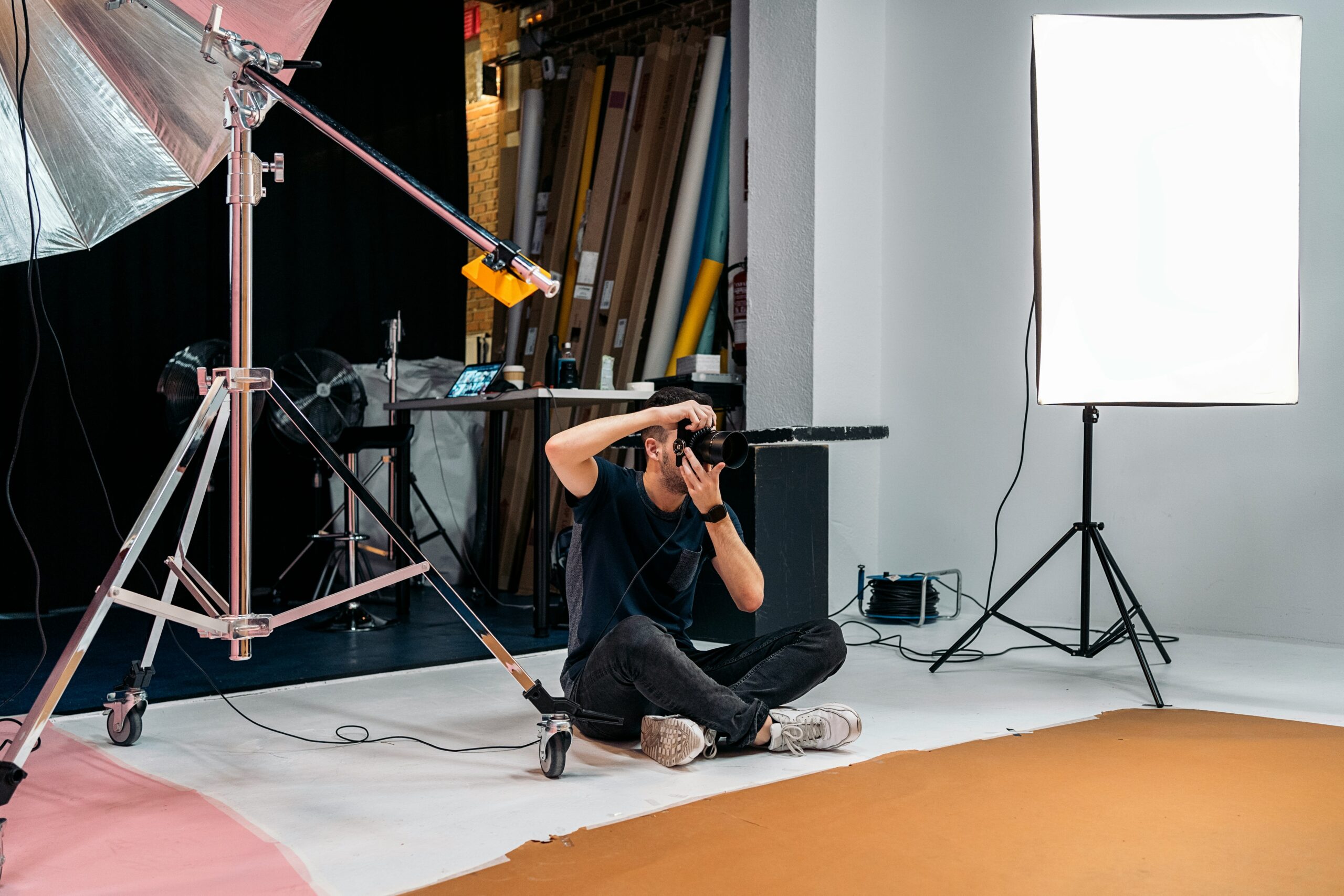
Photography projects give you more than a reason to take pictures; they give you a clear path for turning emotion, memory, identity, and curiosity into visual stories. When you choose a personal project, you move beyond random snapshots and start building a body of work that reflects who you are, what you notice, and how you see the world. As a result, photography becomes a creative practice instead of a simple habit. Whether you use a phone, a mirrorless camera, a film camera, or a basic point-and-shoot, the real power comes from intention. Through photography projects, you can sharpen your eye, develop a personal style, and create images that feel honest, focused, and meaningful.
Why Personal Photography Projects Matter
Personal photography projects help you slow down and pay closer attention to your surroundings. Instead of waiting for the perfect scene, you begin to search for patterns, moods, colors, faces, and moments that connect to your idea. This process builds creative discipline because it asks you to return to a subject again and again. Over time, that repeated attention helps you see details that you would normally miss.
In addition, a project gives your photos a stronger purpose. A single image can feel powerful, but a connected series can say much more. For example, you might document your neighborhood at sunrise, family traditions, local workers, quiet rooms, or signs of change in your city. Each image adds another layer to the story. Therefore, your work begins to feel deeper, more personal, and more memorable.
Finding a Theme That Feels True to You
A strong photography project often starts with a simple question. You might ask what you care about, what you keep noticing, or what story you wish more people understood. Because personal work comes from your own life, the theme does not need to feel dramatic. In fact, ordinary subjects often create the most honest images when you approach them with care and patience.
For example, you could build a project around daily routines, childhood memories, cultural identity, small businesses, empty streets, hands at work, or the relationship between people and nature. However, the best theme should feel specific enough to guide you and open enough to grow. When your idea leaves room for surprise, your photography projects can develop naturally while still staying focused.
Building Your Visual Style Through Practice
Photography projects help you discover your visual style by pushing you to make repeated choices. You decide how to use light, how close to stand, what colors to include, and what mood each frame should carry. At first, these choices may feel random. However, with practice, you begin to notice what you prefer and what best supports your story.
Moreover, working on one project over time helps you avoid copying trends. Instead of chasing what looks popular online, you learn what feels right for your subject. You may prefer soft natural light, strong shadows, clean compositions, or layered street scenes. As you review your images, you can see which choices repeat. Those patterns become the foundation of your personal style.
Turning Everyday Life Into Strong Images
You do not need rare access or expensive travel to create meaningful photography projects. Everyday life offers powerful material when you look closely. Your home, street, workplace, market, park, or commute can become a rich source of visual stories. Because you already understand these spaces, you can photograph them with more patience and emotional depth.
Also, familiar places help you notice change. A corner store may look different in morning light than it does at night. A family room may carry a different meaning during a celebration than during a quiet afternoon. When you return to the same places, you build a record of small shifts. As a result, your images can show time, memory, and emotion in a natural way.
Using Photography to Share Your Identity
Photography projects can help you explore identity without needing long explanations. Through images, you can express culture, family history, personal values, faith, language, work, and community. Instead of telling viewers who you are, you show them the objects, spaces, gestures, and relationships that shape your life. This makes photography a direct but flexible form of self-expression.
Meanwhile, personal projects can also help you understand yourself more clearly. When you photograph what matters to you, you often discover themes you did not expect. You may see that you care deeply about belonging, change, resilience, beauty, or memory. Therefore, the project becomes both a creative act and a form of reflection. It gives you space to ask questions and answer them through images.
Creating a Consistent Story With Your Images
A strong photo series needs more than a good idea. It also needs consistency. This does not mean every image must look the same. Instead, each photo should feel connected to the larger story. You can create that connection through subject matter, color, light, mood, location, or repeated visual symbols. When these elements work together, viewers can follow the project with ease.
However, consistency should not make the work feel flat. You still need variety in distance, angle, emotion, and composition. For example, a project about a family business might include portraits, tools, close-up details, wide shots of the workspace, and quiet moments between tasks. In this way, your photography projects can feel complete, balanced, and alive.
Editing Your Project With Care
Editing matters because every image affects the strength of the whole project. After you shoot, review your photos with a clear goal in mind. Ask which images support the theme, which ones repeat the same idea, and which ones feel emotionally strong. Because personal attachment can make editing hard, it helps to take breaks before making final choices.
Then, arrange the images in a thoughtful order. The first photo should invite the viewer into the story, while the final photo should leave a lasting feeling. Between those points, the sequence should create a sense of rhythm and movement. In addition, remove images that weaken the flow, even if you like them on their own. A focused edit makes your project stronger and easier to understand.