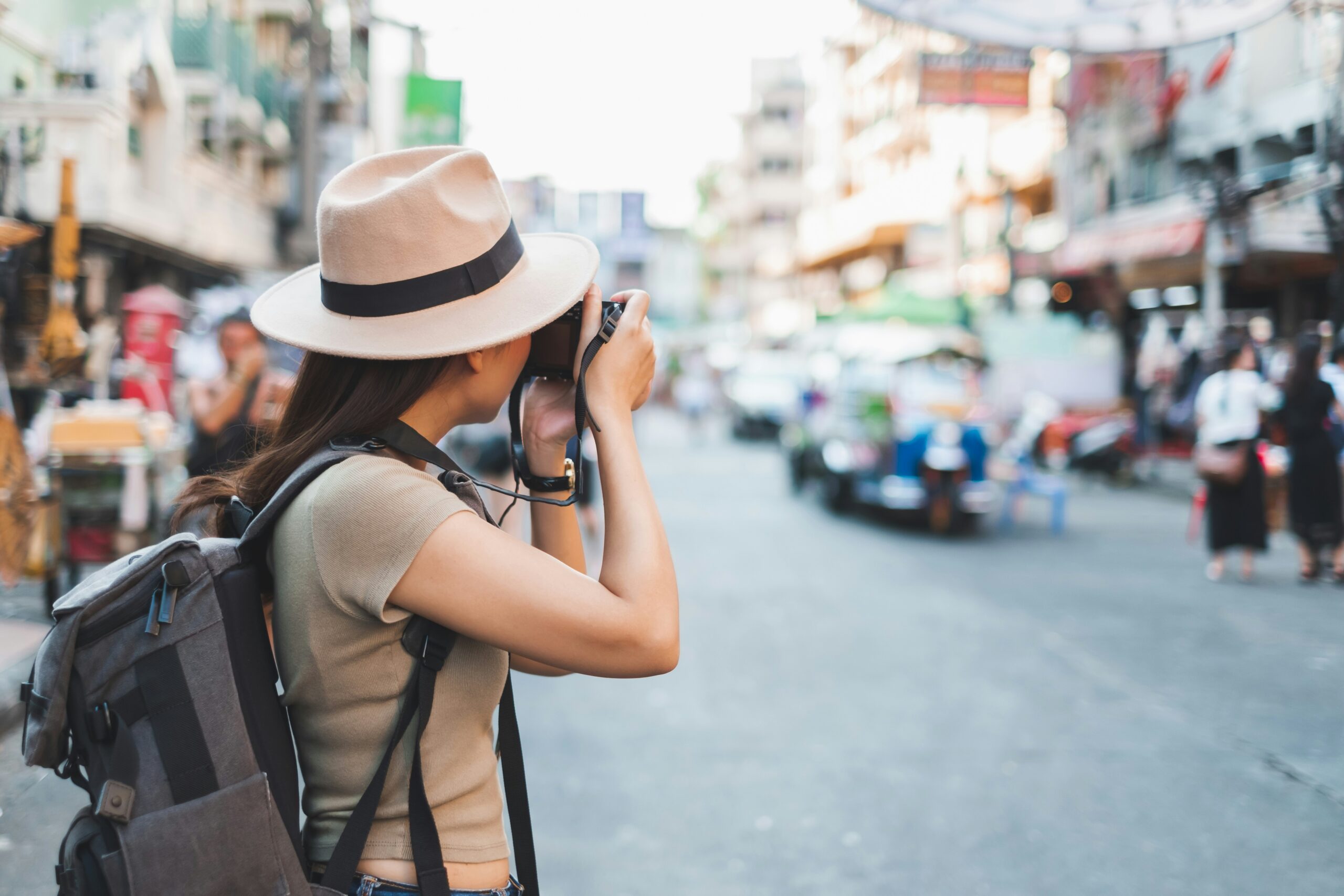
Traveling with your camera becomes easier when you focus on carrying only what you need. Many new photographers struggle because they bring too much equipment, which slows them down on long walks. Tourist Photographers often move through crowded areas, so light gear helps them stay comfortable. A single camera body, two versatile lenses, and a lightweight tripod support most shooting situations. Although extra gear may feel useful, smart packing keeps your energy high and your movement free.
You should choose items based on your style and destination. For example, a wide lens works well in busy markets while a zoom lens helps you capture distant subjects. Tourist Photographers improve their results when they pack gear with intention, not out of fear of missing shots. While you travel, you want every step to feel simple. Once your bag feels balanced, your focus shifts to creativity rather than equipment.
Research Locations Before You Arrive
Good planning saves time and increases your confidence. Before your trip, explore maps, online galleries, and travel guides. These sources support your search for the best photo spots. Tourist Photographers often look for sunrise or sunset views, and research helps them reach these places on time. When you study a location in advance, your mind builds an image of what to expect. This preparation helps you shoot faster while staying relaxed.
Although surprises happen during travel, your research acts as a guide. You can check weather updates, cultural rules, and crowd levels. These details help you avoid problems and find unique shooting angles. Traveling with your camera feels smoother when you already know where to begin. Tourist Photographers benefit from having a simple location list that keeps their journey organized and productive.
Understand the Power of Natural Light
Light plays a huge role in travel photography. Understanding how natural light changes throughout the day gives you greater control over your images. Morning light stays soft and warm, so landscapes and portraits look richer. Midday light becomes harsh, so shift to shaded areas for balanced tones. Late-afternoon light adds drama and emotion, helping Tourist Photographers capture strong visual stories.
Move around your subject to see how light changes the scene. A small shift in position can transform a dull moment into something special. Traveling with your camera teaches you to observe the sky, shadows, and reflections. Tourist Photographers who study natural light develop a sharper eye, and their photos gain depth and personality. With practice, you learn to use light as a creative tool.
Protect and Maintain Your Gear
Travel requires careful handling, as your camera is exposed to dust, moisture, and busy environments. Always keep your camera strap secure and hold your bag close to your body. Many Tourist Photographers walk through crowded streets, and these areas require attention. Although most locations feel safe, staying aware protects your equipment. Cleaning your lens before each shoot also improves image clarity.
Back up your photos across multiple devices while you travel. When you save your shots on a memory card and a portable drive, you reduce the risk of losing important images. Charge your batteries every night and store them in a cool, dry place. Traveling with your camera becomes more convenient when you care for your gear regularly. Tourist Photographers enjoy greater peace of mind when their equipment stays ready for every new opportunity.
Capture Real Moments and Local Life
Tourist Photographers often chase perfect scenes, but real travel moments tell stronger stories. You can capture laughter, movement, colors, and traditions that reflect a place’s true character. Markets, festivals, and local streets offer endless chances to document daily life. Although posed shots look nice, spontaneous scenes show genuine emotion. These moments create memories that feel alive whenever you view your photos later.
Respect plays a large role in travel photography. Always smile, greet people, and ask for permission when needed. Friendly interactions create trust, and your photos look more natural because the subjects feel comfortable. Traveling with your camera gives you a chance to learn about people from different cultures. Tourist Photographers who value connection capture images that feel warm and meaningful.
Experiment With Angles and Composition
Creative photos come from trying new angles and breaking common habits. Many scenes look ordinary from eye level; lower your camera, take a step up, or move behind an object to add interest. Tourist Photographers create fresh images by exploring new viewpoints. Although it may feel unusual at first, experimenting helps you understand shapes, lines, and patterns in the environment.
Composition rules like leading lines, symmetry, and framing also guide your creativity. Once you learn these concepts, you can adjust them to fit your vision. Traveling with your camera becomes more exciting when every corner gives you a new idea. Tourist Photographers who practice often gain confidence and develop a signature style that stands out.
Edit for Clarity and Natural Beauty
Editing supports your storytelling. Use simple adjustments for brightness, color, and contrast to keep your images clean. Many Tourist Photographers prefer natural edits because they preserve the place’s true feeling. Heavy filters may distract from the scene, so focus on clarity and balance. Even small adjustments can make your images more polished.
Work with editing tools on your laptop or phone during the evenings. These tools are easy to use and help you review your progress. Traveling with your camera becomes more enjoyable when you edit your best camera shots daily. This habit keeps your gallery organized and ready to share with others. Tourist Photographers find great satisfaction in presenting images that reflect their journey with honesty and style.